The Ash of Bureaucracy: Why European Cigarettes Taste Like Burnt Paper
The rain in Brussels has a specific way of making everything feel sterile. I stood outside a library last week and watched a student light a standard white cigarette. The smell was not tobacco. It was not even smoke. It was the acrid, hollow scent of hot paper and industrial chemicals.
When you grow up with the resinous weight of Temanggung tobacco, lighting a European cigarette feels like a betrayal. It is a thin, anemic experience that costs sixteen pounds and offers nothing in return. It is the taste of a committee meeting disguised as a consumer product.
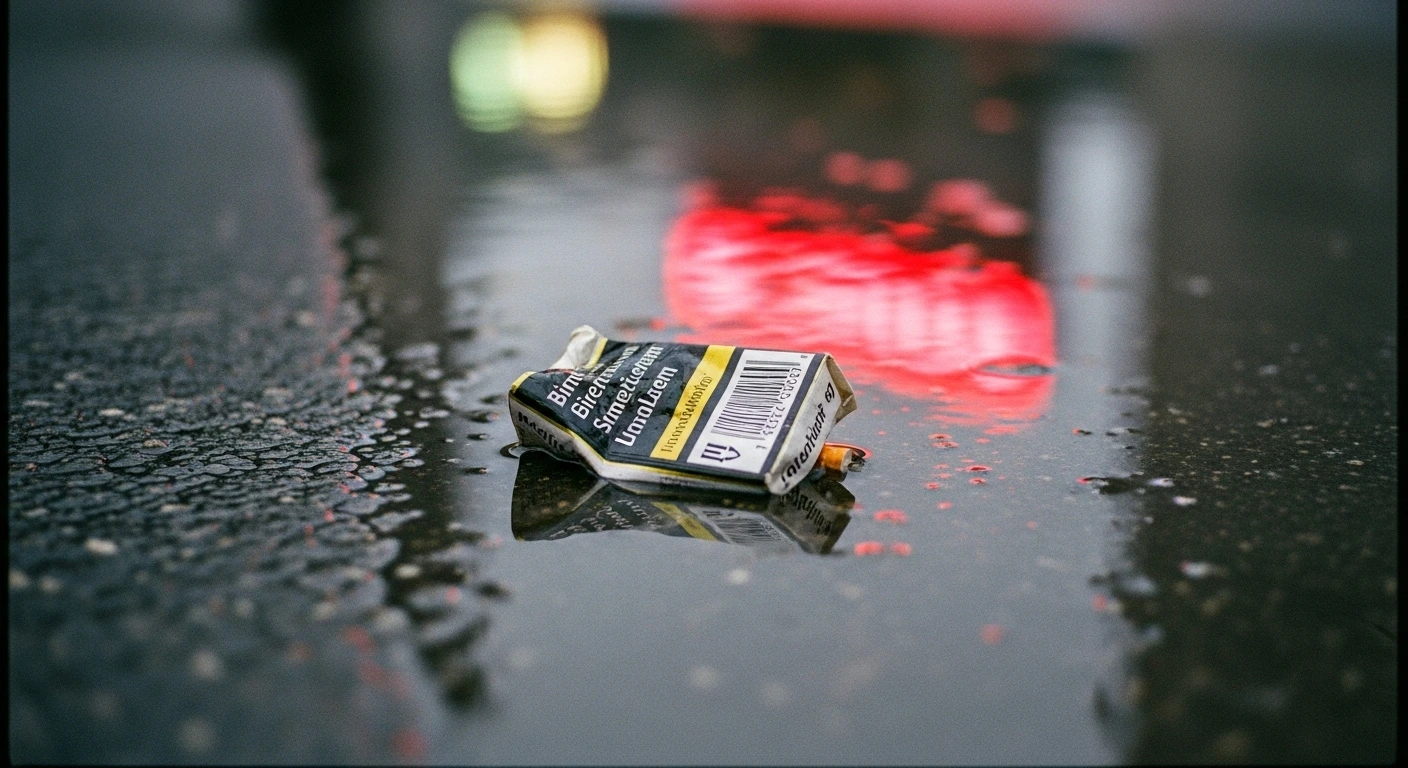
The Death of the Characterizing Flavor
Europe has decided that pleasure is a threat to public health. Under the Tobacco Products Directive (TPD), the European Union has banned all "characterizing flavors" in cigarettes. This includes menthol, vanilla, and of course, our beloved clove. The result is a market flooded with products that all taste the same: like nothing.
The logic is that if it tastes bad, people will stop. But for those of us who appreciate the physics of the crackle, it just means we are forced to inhale industrialized air. These cigarettes are designed for the masses who want a quick nicotine hit without any sensory engagement. It is a cultural contrast where the kretek vs white cigarettes debate has been settled by bureaucrats who prefer silence over flavor.
The Flavor Vacuum
- Regulation: TPD Article 7 prohibits cigarettes with characterizing flavors.
- Scope: Ban covers additives that provide a distinguishable aroma or taste other than tobacco.
- Impact: Prohibition of clove, menthol, and vanilla in traditional paper-wrapped cigarettes.
- Price: UK premium packs now exceed £16.00 for what is essentially processed paper.
The Cigarillo Hypocrisy
If you want to see the face of corporate lobbying, look at the "Cigarillo Loophole". While a clove cigarette wrapped in white paper is banned, a "cigarillo" wrapped in reconstituted tobacco leaf can still legally carry flavors in many jurisdictions. Big Tobacco companies like JTI and Imperial Brands have used this to sell "leaf wrapped" menthol products like Sterling Dual.
It is a technical game. To be a cigarillo, the product just needs a brown wrapper and a specific weight. This is how Sampoerna or Djarum fans in Europe survive, by finding products that play by these weird, arbitrary rules. It proves that the "flavor ban" is not about health; it is about engineering a market that favors those who can afford the most lawyers.
The Soil vs. The Factory
The reason European cigarettes taste like paper is that they are built on Virginia blends that are grown for volume, not soul. There is no mountain chemistry involved here. In Temanggung, the soil gives the leaf a resinous weight that you can feel in your chest. In a European factory, the tobacco is treated, washed, and expanded until it loses its identity.
The World Health Organization might cheer for these sterile products, but for a writer from Java, it feels like the death of a craft. When you light a cigarette in London or Berlin, you are participating in an industrial process. When you light a kretek, you are participating in a tradition of the soil.
The Verdict
European cigarettes are the white bread of the tobacco world. They are processed, flavorless, and overpriced. The bureaucracy has succeeded in making smoking as boring as a tax audit. Unless you find the loopholes or have a steady supply of authentic Indonesian leaf, you are just inhaling expensive, burnt stationery.
Sensory Rating: 15% (Cardboard Profile)
I put out my cigarette and walked into the library. The smell of old books was actually better than the smoke I just finished. That is the tragedy of Western tobacco. It makes the rest of the world look more interesting by comparison. I will stick to my cloves, even if I have to jump through every legal hoop in Brussels to get them.