The "Natural" Fallacy: Rolling Tobacco vs. Kretek Safety
The air in my student flat in Europe is often thick with the smell of generic rolling tobacco. My friends here roll their "shag" with a practiced, mechanical speed, believing the myth that because it is loose and slightly damp, it is somehow less toxic than a factory-made stick. I sit across from them, smelling the ghost of my own Gudang Garam Surya, and I realize we are all just lying to ourselves in different languages. There is no such thing as a "safe" smoke, only different ways to invite the fire into your lungs.
In Indonesia, we have Tingwe (Linting Dewe), the art of rolling your own. In the West, they have "rollies." Both groups share a dangerous delusion: that bypassing the machine makes the leaf more natural. But when you compare the raw chemistry of a European hand-roll to an Indonesian kretek, you aren't choosing between safety and risk. You are choosing between two different profiles of chemical warfare.
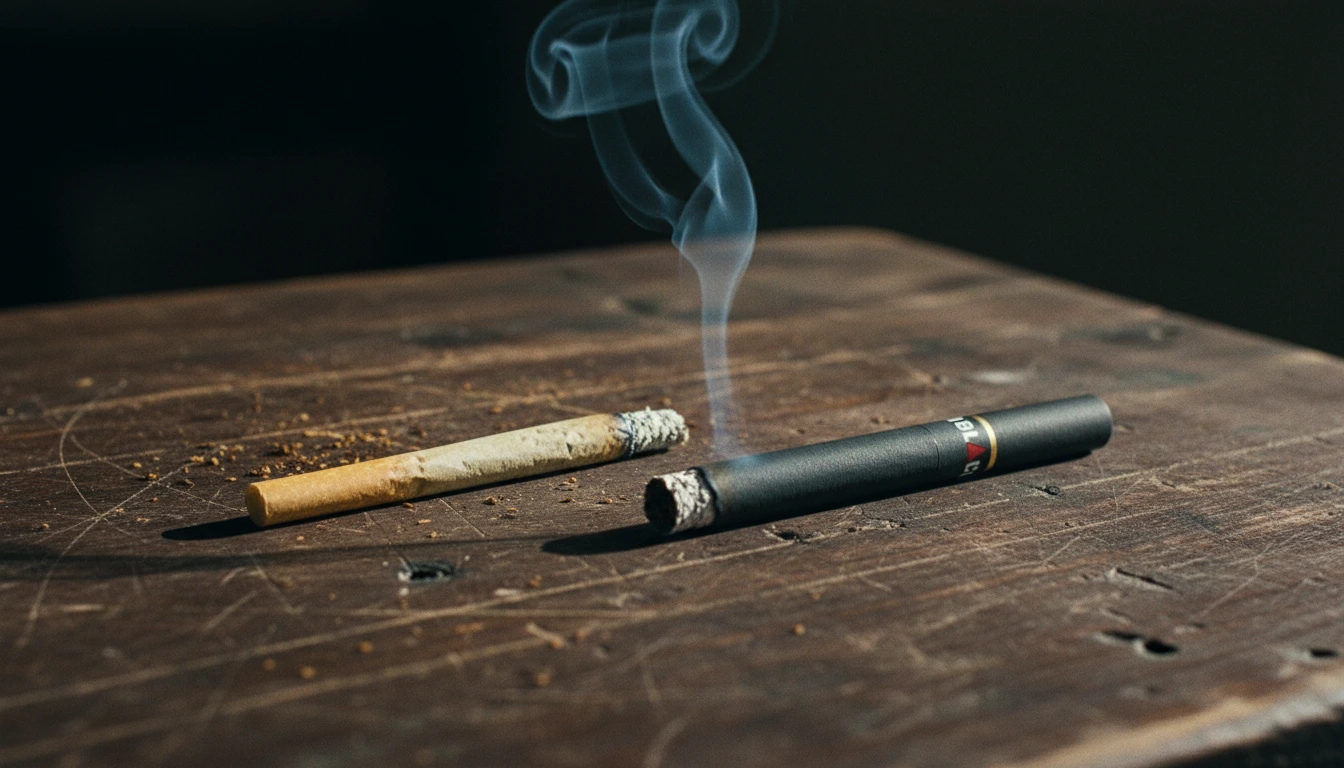
The Nicotine Heavyweights
The first lie of the hand-roll is that it delivers less nicotine. Research into Indonesian Tingwe shows nicotine levels reaching 1.5 to 2.1 mg per cigarette, often exceeding local safety standards. Kreteks are even more aggressive; studies have confirmed they contain significantly higher levels of nicotine, carbon monoxide, and tar compared to standard "white" cigarettes.
While European rolling tobacco often contains additives like humectants and flavorings to keep the leaf moist, kreteks add the volatility of cloves to the mix. A single machine-rolled kretek can deliver up to twice the nicotine and tar of a standard cigarette. In the battle of potency, the clove and tobacco history is one of high-impact delivery, not moderation.
The Eugenol Paradox
What makes kretek uniquely dangerous is its greatest asset: eugenol. This active compound in cloves acts as a mild anesthetic, numbing the throat and airways. This is the ultimate friction point. By numbing the pain of the smoke, eugenol allows the smoker to inhale longer and more deeply. You aren't just getting more smoke; you are getting it deeper into the lungs where it can do the most damage.
This deep inhalation is why kretek has been associated with acute lung injuries and inflammation, risks that standard rolling tobacco€”which hits the throat with its full, unvarnished harshness€”tends to signal more directly to the smoker. The smoother the smoke, the more lethal the delivery. This is a recurring theme in the effectiveness of tobacco bans; regulators target the "smoothness" because it masks the toxicity.
Safety Profile Comparison
- Standard Rolling Tobacco: Often contains higher levels of additives than factory cigarettes; associated with higher risks of mouth and esophageal cancers.
- Kretek (Clove Cigarettes): Delivers up to 50% more tar and significantly more carbon monoxide than standard brands.
- Inhalation Pattern: Rolling tobacco is often harsh, limiting depth; kretek uses eugenol to numb the throat, encouraging deeper, more toxic inhalations.
- Unique Toxins: Kretek smoke can contain anethole and coumarin, additional compounds not typically found in pure tobacco blends.
Where the "Natural" Logic Breaks
The friction here is the perception of "natural" as "safe." Both rolling tobacco and kretek are marketed with a "traditional" or "artisanal" aura, yet burning any plant material produces identical carcinogens like benzene and tar. The colonial history of tobacco never cared for health; it cared for profit, and the modern market has inherited that indifference.
Whether you are using a technical clove cigarillo or a pouch of European shag, you are still exposing your lungs to a chemical soup. The reason European cigarettes taste like burnt paper isn't just because of the quality€”it's because they are heavily engineered to meet certain standards. Kreteks, with their high resin and oil content, simply refuse to be engineered into safety.
The Verdict
Rolling tobacco is not "safer" than factory cigarettes, and kreteks are significantly more hazardous than both. The anesthetic effect of cloves makes kretek a more efficient delivery system for toxins. If you smoke for the "natural" feel, you are only making the poison easier to swallow. There is no winner in this comparison, only different levels of respiratory debt.
Safety Rating: 0/10 for Both
I watch the embers of a friend's rollie die out in the ashtray. He thinks he's doing his health a favor by rolling by hand. I know I'm not doing mine any favors by chasing the scent of home. We are both addicts of the ritual, burning time and health in exchange for a few minutes of peace. The only safe alternative isn't a different pouch or a different brand€”it's the silence of not smoking at all. But for now, the air in this flat remains heavy, and the myths remain alive.